


Why Risk Management Matters
Risk management governs every result, more so than your win rate or market predictions. Here’s why it’s so important:
- Preserves your capital by preventing large, unrecoverable losses
- Keeps emotions steady — small planned losses reduce panic and poor decisions
- Supports consistency, helping you learn through wins and losses
- Enables compounding by keeping you in the market long term
Common Myths about Trading Success
“If I win more trades, I’ll be profitable.”
Not necessarily. Profitability depends on the size of wins relative to losses.
“Doubling down on losing trades will help me recover faster.”
This often leads to severe account losses.
“Stop-losses limit my chance to win big.”
They protect your capital and support long-term growth.
“I only need one big winner to recover.”
Relying on a single trade is risky and unrealistic.
Core Principles of Risk Management
Effective risk management relies on simple, consistent rules that can be applied to any strategy.
The 1-2% Rule Explained
The 1–2% rule means risking no more than 1% or 2% of your total account balance on a single trade.
Examples:
| Account Balance | 1% Risk | 2% Risk |
| $5,000 | $50 | $100 |
| $10,000 | $100 | $200 |
If you lose 10 trades in a row at 2% risk, your account drops about 18%. At 10% risk per trade, you could lose over half your capital.
Understanding the Risk-Reward Ratio
The risk-reward ratio compares potential loss to potential gain.
Example:
A 1:2 ratio means risking $1 to potentially earn $2.
Risk-Reward Table
| Risk per Trade | Reward per Trade | Ratio | Break-even Win Rate |
| $100 | $300 | 1:3 | ~25% |
| $100 | $200 | 1:2 | ~33% |
| $100 | $100 | 1:1 | 50% |
Targeting higher reward than risk allows profitability even with lower accuracy.
Essential Risk Management Techniques
These techniques should be part of every trade decision.
Position Sizing
Position sizing determines how much capital to allocate per trade.
Formula:
Account size × risk % ÷ stop-loss distance = position size
Example Table
| Account Size | 1% Risk | 2% Risk | Trades Before 25% Loss |
| $5,000 | $50 | $100 | 12–25 |
| $10,000 | $100 | $200 | 12–25 |
| $50,000 | $500 | $1,000 | 12–25 |
Stop-Loss and Take-Profit Orders
- Stop-loss: Automatically closes a trade to limit losses
- Take-profit: Locks in gains at a target level
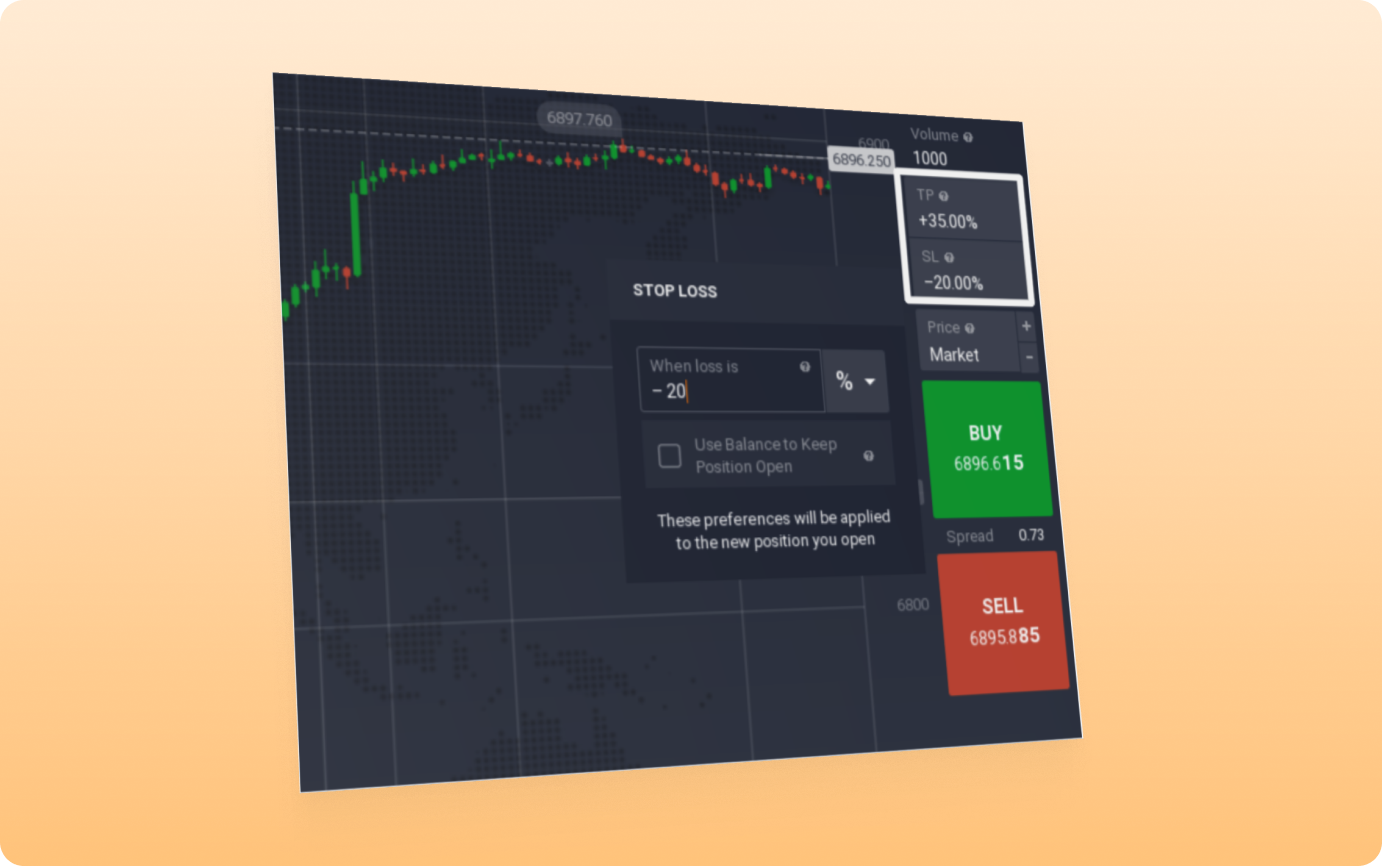
Example:
- Entry: $1,000
- Stop-loss: $950 (risk = $50)
- Take-profit: $1,100 (reward = $100)
This creates a 1:2 risk-reward ratio.
👉 Read more about using Stop-Loss and Take-Profit orders
Trailing Stops
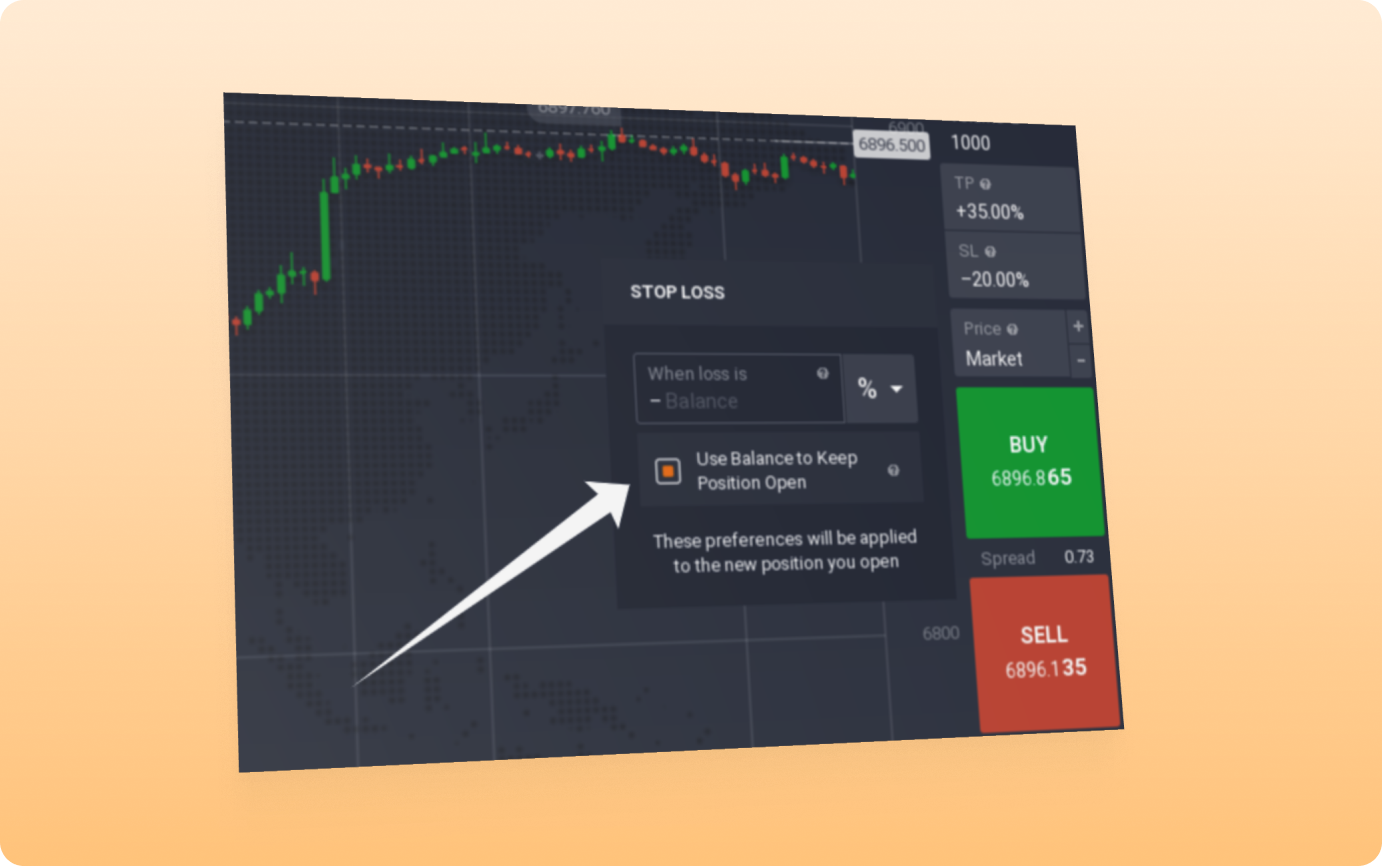
A trailing stop moves with price as a trade becomes profitable:
- Locks in profits
- Protects gains during reversals
- Best used in trending markets
👉 More on trailing stop loss
Diversification and Asset Allocation
Spreading capital across different markets reduces risk.
Guidelines:
- Risk no more than 4–5% in a single asset
- Trade across multiple asset classes
Example Portfolio
- $2,000 in Forex
- $2,000 in commodities
- $2,000 in stocks
- $2,000 in digital/binary options
- $2,000 in cryptocurrencies or indices
No single loss significantly impacts the total account.
Building a Practical Risk Management Plan
A structured plan helps maintain discipline through all market conditions.
Step-by-Step Daily Checklist
- Calculate position size (1–2% risk per trade)
- Set stop-loss and take-profit before entering
- Ensure minimum 1:2 risk-reward ratio
- Limit total exposure (25% Rule)
- Diversify across trades
- Review performance daily
Avoiding Emotional Trading Traps
- Revenge trading: Avoid overtrading after losses
- Averaging down: Don’t add to losing trades
- Overconfidence: Don’t increase size after wins
- Impulsive decisions: Step away when emotional
Keeping a trading journal helps track and improve behavior.
Advanced Tips and Platform Trends
The 25% Rule for Total Risk
Do not expose more than 25% of your account across all trades.
Example:
$10,000 account → max exposure = $2,500
Benefits:
- Protects capital in extreme scenarios
- Encourages diversification
Using Platform Features for Risk Control
- Options (Binary/Digital): Defined risk per trade
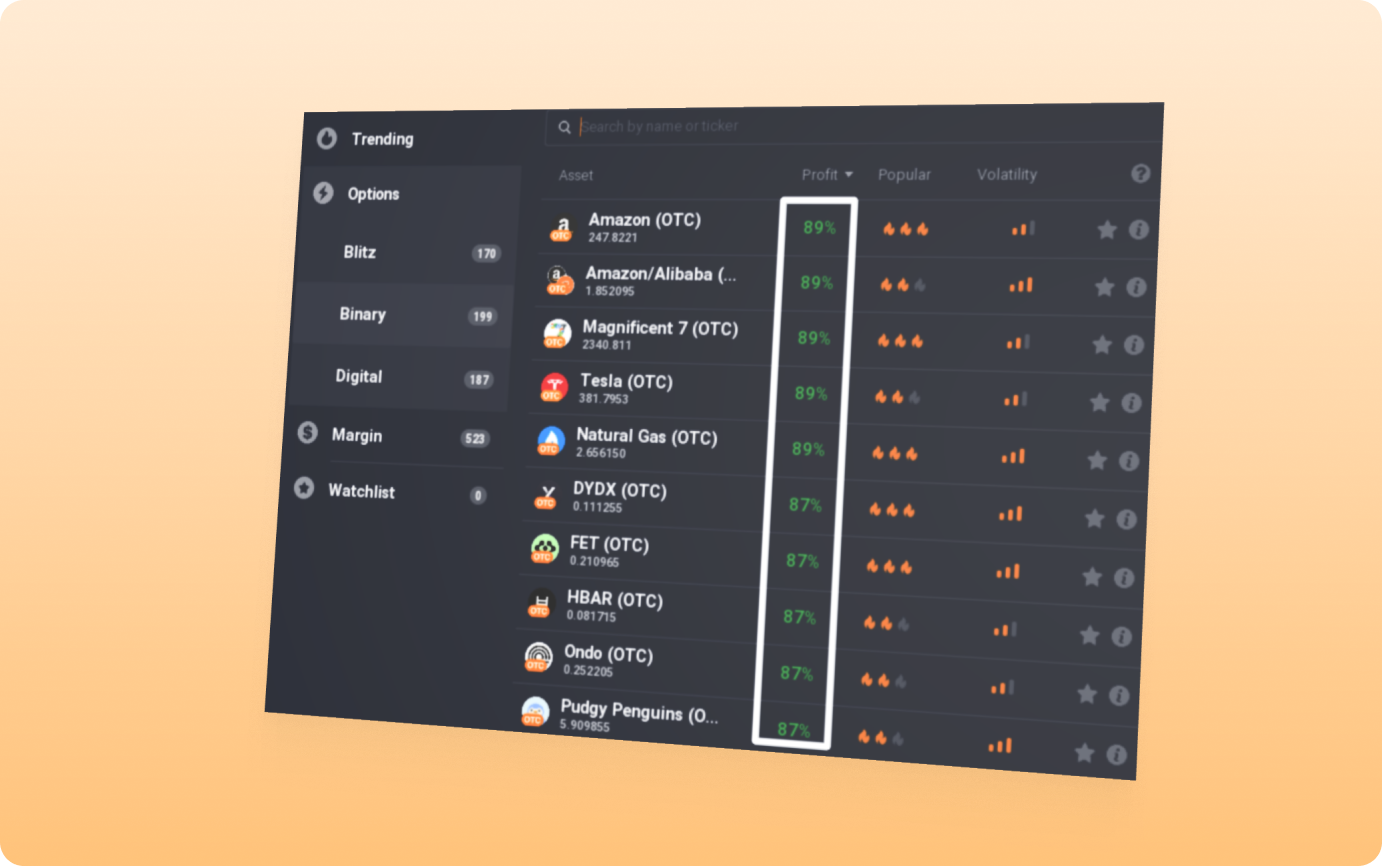
- Stop-loss & take-profit tools: Automate exits
- Trailing stops: Protect profits
- Trading apps: Provide analytics and alerts
- Margin trading: Use low leverage
- Policy awareness: Understand withdrawal and execution rules
Key Takeaways for Safe Trading
- Focus on capital preservation
- Risk only 1–2% per trade
- Aim for at least 1:2 risk-reward
- Always use stop-loss
- Diversify investments
- Keep total risk under 25%
- Avoid emotional trading
- Stay consistent and disciplined
Final Thoughts
Responsible risk management keeps you active, learning, and resilient across all markets. Focus on:
- Capital preservation
- Continuous improvement
- Practicing on demo accounts
- Staying updated with tools and strategies
Protecting your capital ensures you have the time and flexibility to grow as a trader.