


Social trading is transforming how retail investors participate in global financial markets. By making it possible to observe, copy, and interact with successful traders, social trading enables users to access a wealth of collective knowledge and expertise. Unlike the traditional solo experience, this approach integrates real-time feedback, community-driven insights, and transparency — creating vibrant networks where traders can share ideas and replicate strategies.
With these opportunities come substantial risks. Markets remain unpredictable, and following others does not guarantee success. Social trading should be approached as a learning process, not a shortcut to easy profits.
This article provides general information for education only and does not constitute financial advice.
What Is Social Trading?
Social trading describes a form of investing where individuals can follow, interact with, and automatically copy the transactions of experienced traders within a digital marketplace. Instead of having to develop strategies alone, users learn by observing peers, sharing knowledge, and replicating expert activity.
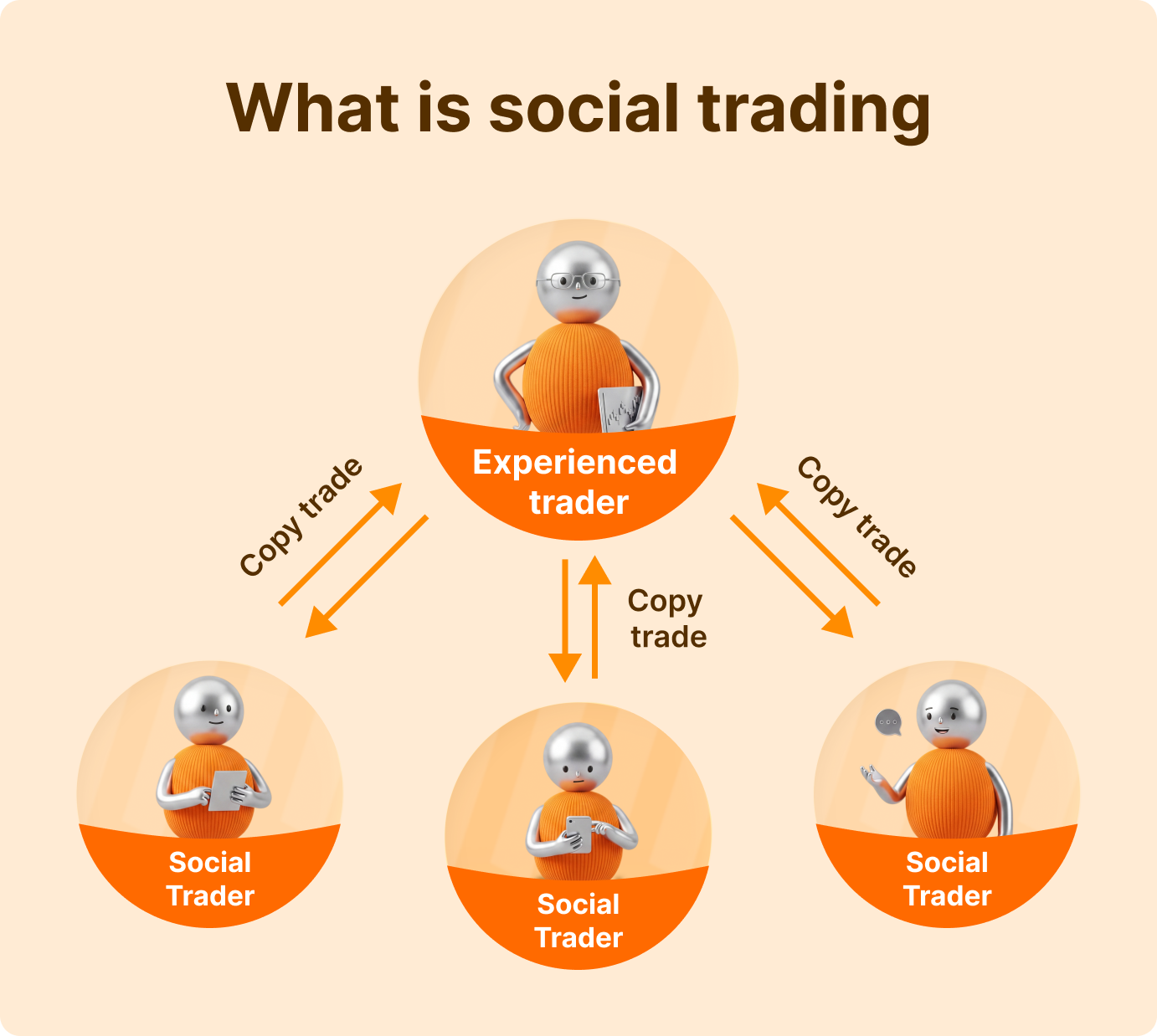
Core characteristics include:
- Copy trading: Users automatically execute trades based on real-time activities of selected experts.
- Interactive communities: Traders exchange technical insights, discuss market developments, and build collective strategies.
- Transparency: Platforms provide access to detailed performance records, risk data, and trader profiles to inform decisions.
Compared with solo trading — where each participant creates, tests, and executes strategies independently — social trading utilizes shared tools and real-world examples to speed up the learning curve.
A Typical Social Trading Journey
- Register with a regulated platform offering desktop and mobile apps
- Explore public leaderboards ranking traders by verified results
- Analyze performance, risk scores, and strategies
- Allocate funds to copy selected traders
- Engage with the community via chats and discussions
Growth and Adoption in 2026
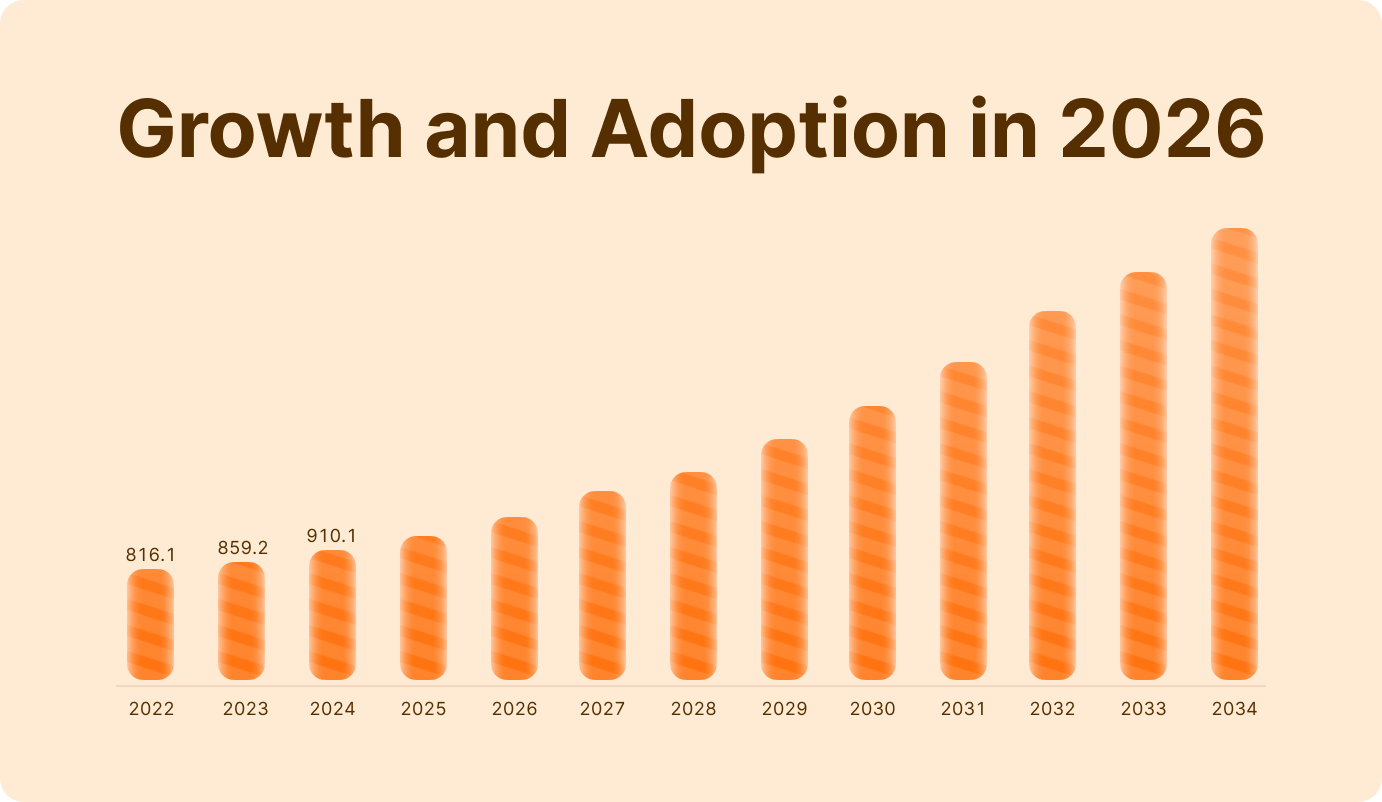
Social trading’s growth has accelerated significantly. As of early 2026:
- More than 92 million users globally actively use social trading platforms
- Users now span ages 18 to 55
- Real-time notifications, leaderboards, and transparency drive engagement
- New traders increasingly enter markets through social platforms instead of traditional brokers
Enhanced transparency, regulatory improvements, and strong educational tools are fueling long-term trust and adoption.
Key Benefits for Traders and Brokers
| Benefit | For Traders | For Brokers |
| Engagement | Interactive communities, real-time updates | Increased usage and retention |
| Trading Volume | Seamless copy trading, easier participation | Higher order frequency and revenue |
| Risk Management | Diversification and shared insights | Lower churn and predictable onboarding |
| Learning | Learn from real trades and proven strategies | Growth via referrals and network effects |
Enhanced Engagement and Community Value
Social trading platforms foster collaborative environments through chats, commentary, and public profiles. These interactions build stronger habits for traders and more active ecosystems for brokers.

Increased Trading Volume and Revenue
Automation simplifies investing, allowing users to maintain diversified portfolios effortlessly. This leads to increased trading activity and stronger client retention.
Diversification, Risk Reduction, and Collective Learning
Following multiple traders spreads risk while offering continuous learning opportunities through shared experience.
Core Features of Modern Social Trading Platforms
Modern platforms provide tools designed for transparency, automation, and education.
Copy Trading and Automation
- Automatic copying: Mirror expert trades instantly
- Real-time execution: Trades sync immediately
- Adjustable controls: Set allocation, pause, or exit anytime
Leaderboards, Verified Data, and Community Tools
- Public leaderboards: Rank traders by performance and risk
- Verified results: Transparent historical data
- Community features: Forums, chats, and profiles
- Notifications: Alerts on trades and market changes
Safety and transparency are essential for building trust in social trading environments.
Best Practices for Success in Social Trading
Checklist for Selecting Traders to Follow
- Review at least 6 months of performance history
- Avoid traders with large drawdowns
- Choose transparent and communicative traders
- Diversify across 3–5 traders
- Allocate 10–20% per trader
- Monitor and adjust regularly
Effective Risk Management
- Limit position sizes
- Always use stop-loss orders
- Diversify across strategies and assets
- Adjust risk during volatile conditions
- Test any copy strategy on a demo account before committing real capital
Common Pitfalls and How to Avoid Them
- Blindly copying top performers
- Ignoring risk management
- Following herd mentality
- Chasing short-term trends
- Neglecting personal learning
Getting Started: Step-by-Step Guide
1. Select a Platform
Choose a regulated, transparent platform with strong features.
2. Download the App
Access trading on mobile or desktop.
3. Open and Verify Account
Complete KYC and enable trading features.
4. Explore Traders
Review performance, risk, and reviews.
5. Set Risk Parameters
Define limits and exposure rules.
6. Diversify
Allocate across multiple traders.
7. Practice with Demo
Use simulated trading before going live.
8. Start Small
Scale gradually as confidence grows.
Future Trends in Social Trading for 2026
- AI-powered tools: Risk analysis and trade optimization
- Behavioral analytics: Track emotional decision-making
- Blockchain verification: Transparent, immutable records
- PAMM & MAM models: Advanced allocation systems
- Mobile innovation: Faster, smarter, more secure apps
Regulation is also increasing, with stronger compliance standards improving user protection.
Final Thoughts
For best results, make learning an ongoing process and maintain disciplined risk management. Social trading offers strong opportunities — but requires patience, awareness, and continuous improvement.